
Racora: The whole open-source RAN,
in one platform.
Racora packages the entire open-source RAN — protocol, intelligence, core, management and deployment — into one platform you install and operate.
AI for RAN is really about turning a robotic protocol into human intelligence.
Today's radio access network is configured by hand, box by box. CNS makes it learn — reading live user-network interaction in real time and writing optimized control straight back into the protocol, the way cloud automation transformed the data center.
Three products. One intelligence plane.
CNS doesn't bolt intelligence onto the RAN — it rebuilds the stack around a native intelligence plane.
CU-IP
A novel third element in the CU split — peer to the CU-CP and CU-UP, living inside the gNB as a native function. One representation, all tasks.
RA-NN
Complete, intelligent RAN software, end to end. Analyzes live network traffic in real time and turns deployment into a zero-touch event — replacing the RIC / rApps / xApps layer.
AI Edge Platform
Every RA-NN deployment becomes a dual-purpose platform — carrier-grade connectivity, off-peak edge compute for AI inference.
All three products ship as one package.
The pieces of open RAN already exist — protocol, intelligence, core, radios. What's never existed is the system that turns them into a network you can deploy and run end to end. Racora is that system.
Protocol stack
The open-source 5G CU/DU — the complete gNB protocol stack.
RAN intelligence
The native intelligence plane — CU-IP and RANN-P — optimizing from inside the gNB.
5G core
A standalone 5G core, bundled — radio and core in one install.
Management & orchestration
Service management built in — not a separate proprietary system to integrate.
Device & radio support
Intrinsic support for radios and accelerators — RU/USRP and GPU.
E2E deployment
Declarative install, lifecycle and reconciliation. The cluster is the RAN.
Carrier network by day. AI edge by night.
Every Racora deployment runs on general-purpose compute. The same sites that carry your network put spare capacity to work on AI inference — carrier-grade RAN at peak, an AI edge platform off-peak, on hardware you already own.
Kubernetes can schedule containers, not a radio network. Racora's RAN intelligence makes the cluster RAN-aware — so the RAN and edge compute share one fabric, balanced the way Kubernetes balances compute.
Install it. Declare your network. It runs itself.
You operate Racora the way you operate a Kubernetes cluster — declare the network you want, and the platform makes it real and keeps it that way.
One command brings up the cluster and the complete RAN — no proprietary box, no integration project.
Declare the cells and sites you want — not the gNB CU/DU software underneath. You define the network; the platform configures the RAN to match.
The platform discovers, configures and brings cells on the air — neighbors, identity, coverage and all.
It keeps the live network matching your declared state — optimizing and self-healing as conditions change.
Built by people who ran the networks.
20+ years of combined Tier 1 carrier experience — RF engineering, network automation, and the optimization patents behind multiple generations of mobile networks.

Terence spent two decades inside Tier 1 networks, from GSM to 5G, leading engineering teams through multiple generations of network evolution. Along the way he saw firsthand the limitations that external intelligence approaches can never overcome.
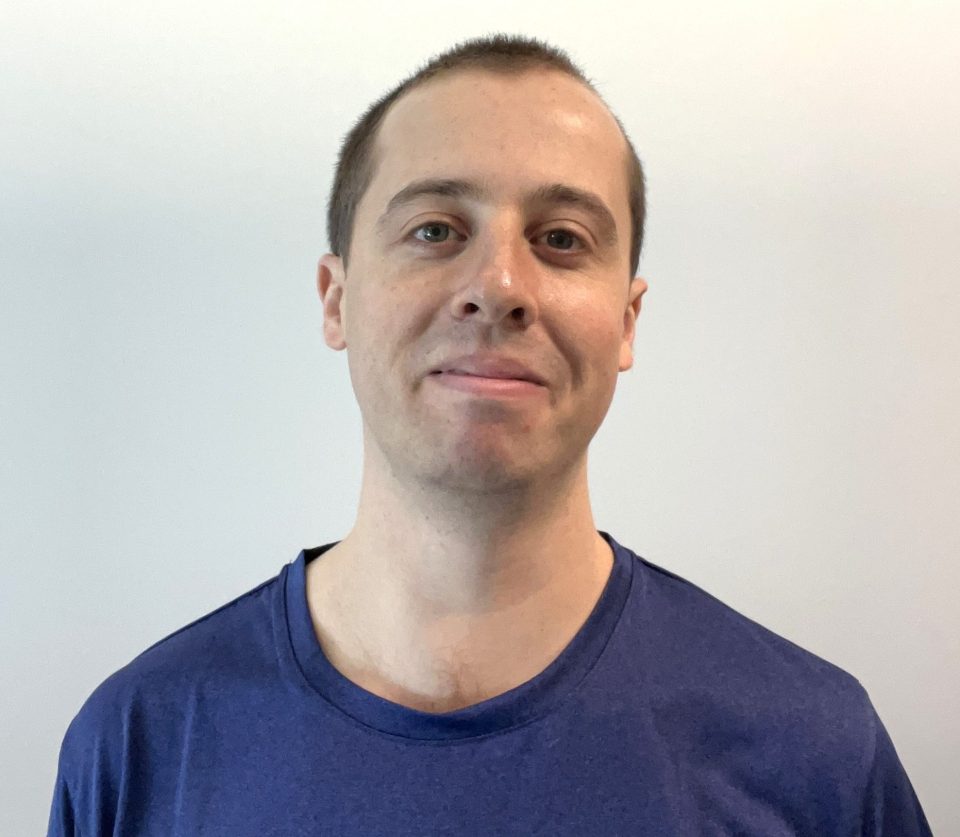
Michael is an RF engineer with a Tier 1 carrier background in network automation and RAN optimization. He architected the RA-NN and the CU-IP — the novel third CU split — and has authored two papers and two pending patents on AI for radio networks.
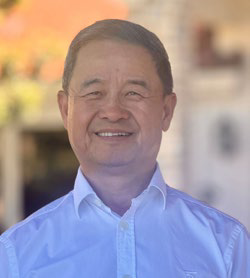
Lin is a wireless technology pioneer with more than 37 years in telecom engineering and network deployment. He helped deploy early 2G GSM and CDMA networks, held leadership roles at AT&T, Cingular, and T-Mobile, and founded Telecom Technology Services in 1999.

Patrick is a telecom veteran with 25 years founding and growing ventures for mobile network operators across North America. His work spans architecture, standards-based engineering, and AI-driven automation grounded in 3GPP, ETSI, O-RAN, and TM Forum.
See Racora run.
We'll show you how Racora deploys and runs — on real RF, today. Tell us a little about your network and we'll set it up.